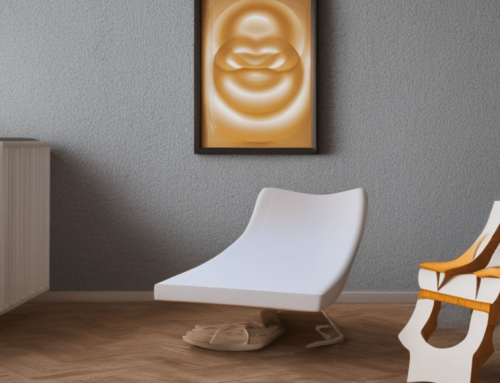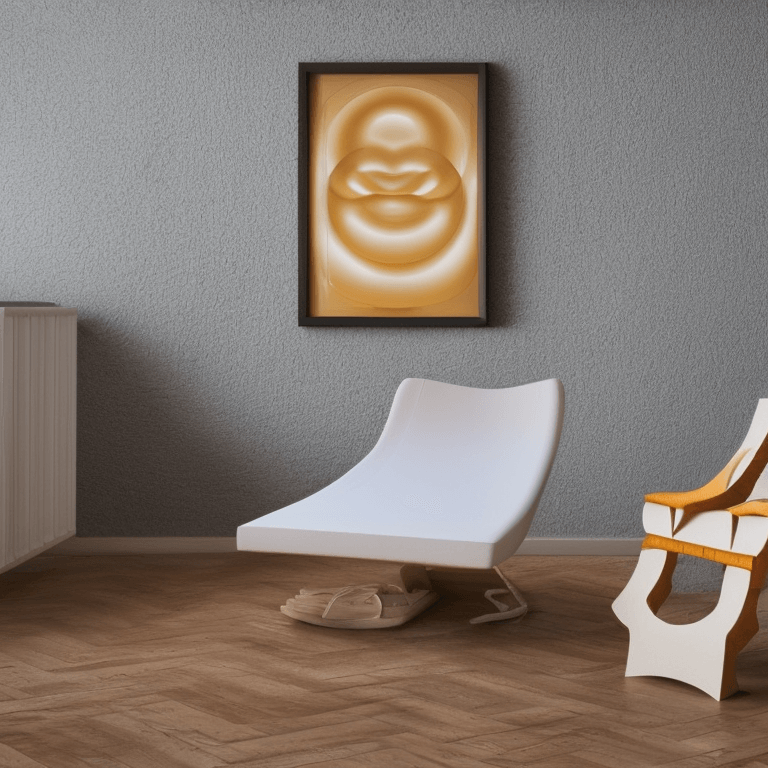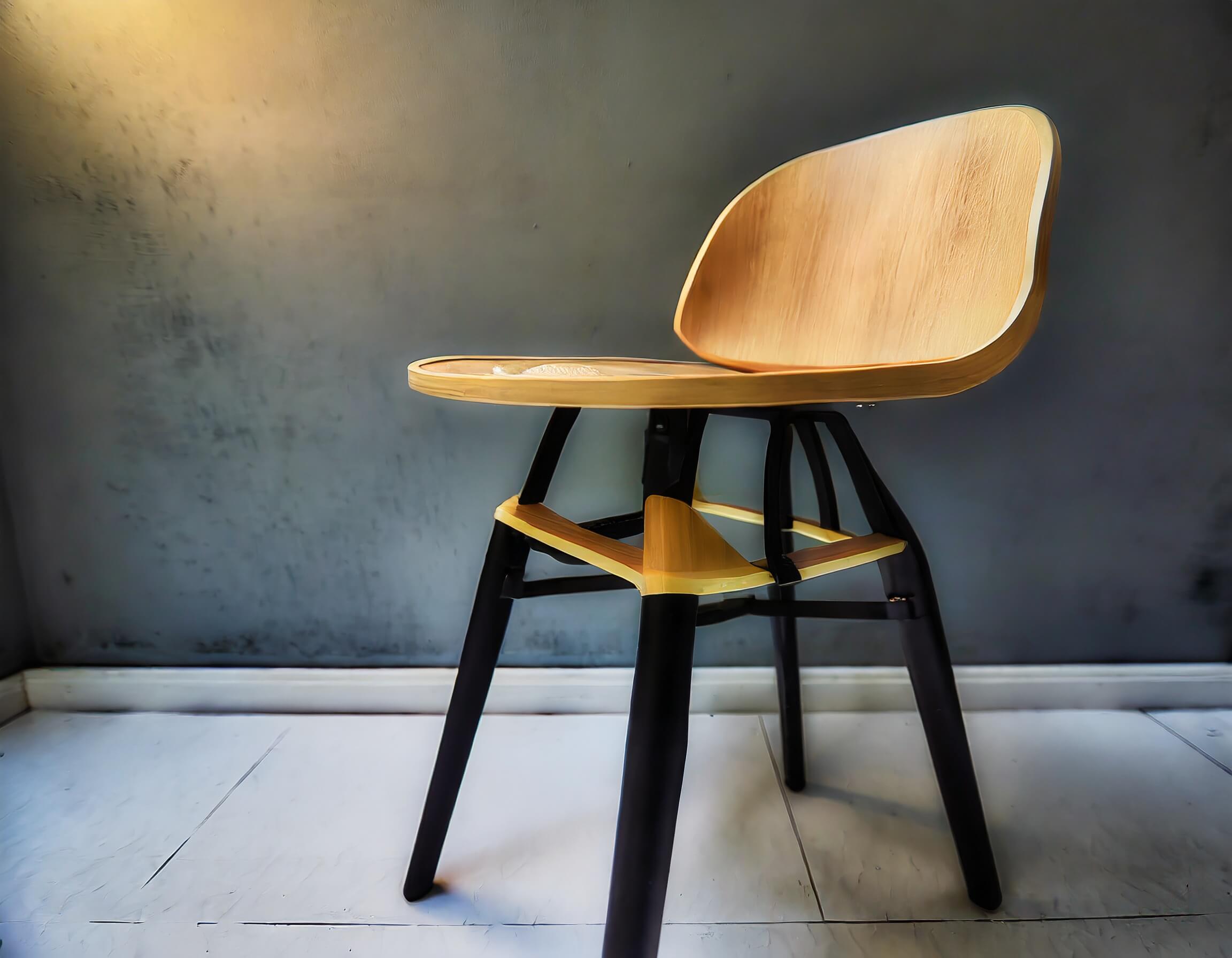
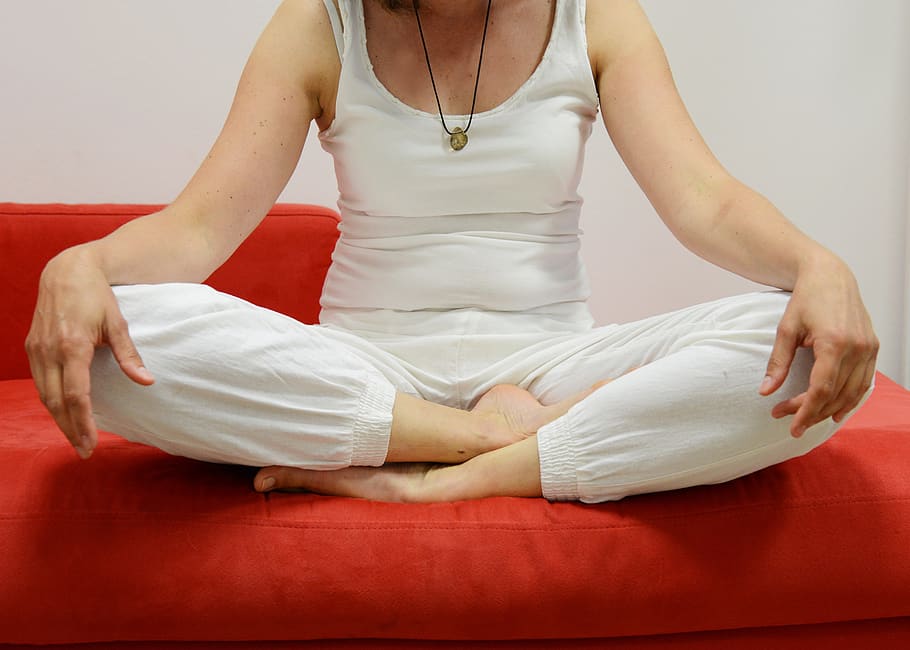
Meditation chairs are specific need seats designed to provide comfort and support during the practice. Meditation is a mental and spiritual practice that often involves sitting in a still and focused state for extended periods. Having a comfortable and ergonomic chair can enhance the concentration experience by promoting proper posture and reducing discomfort. In contrast to Tantra Chair, the tantra meditation chair is specialised for deep and profound concentration state.
There are various types of chairs available, each catering to different preferences and needs. Some common features include:
- Ergonomic Design: They are designed to support the natural curve of the spine, promoting proper alignment and reducing strain on the back, neck, and shoulders.
- Adjustability: Some chairs offer adjustable features like tilt angles and seat heights to accommodate different body types and postures.
- Cushioning: Many models come with padded cushions that provide extra comfort during long sessions.
- Back Support: Some chairs have back supports that provide support to the lower back, helping maintain an upright posture.
- Foldable and Portable: Some items are designed to be easily foldable and portable, making them convenient for practitioners who want to meditate in different locations.
- Floor Chairs: Floor-level seats are often designed with a low seat and backrest, allowing practitioners to sit on the floor with added support.
- Seating Styles: Tantric Meditation chairs come in various styles, including seiza (a traditional Japanese kneeling posture), cross-legged, or simply with a comfortable cushioned seat.
- Materials: Chairs can be made from various materials such as wood, metal, and fabric, providing both aesthetic appeal and durability.
Benefits of Meditation
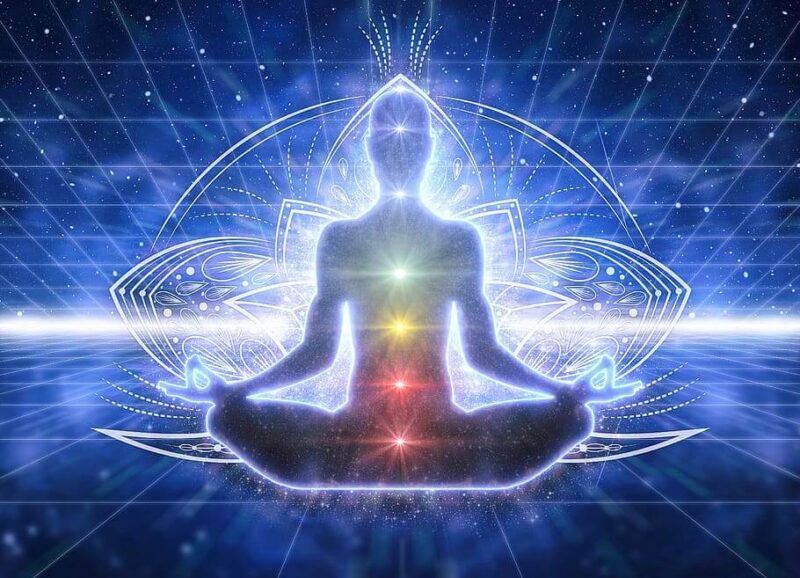
Tantra Meditation or simply meditation using a specialised chair give you the comfort to achieve a wide range of physical, mental, and emotional benefits. Here are some of the key advantages:
- Stress Reduction: It is known to lower stress levels by promoting relaxation and calming the mind. It helps reduce the production of stress hormones like cortisol, leading to a more balanced and tranquil state of mind.
- Improved Focus and Concentration: Regular concentration/relaxation practice enhances your ability to stay focused on tasks. It trains your mind to resist distractions and improves cognitive control.
- Enhanced Emotional Well-being: It can lead to a greater sense of emotional stability and resilience. It helps regulate emotions, reduce symptoms of anxiety and depression, and promote a positive outlook on life.
- Better Self-Awareness: It encourages introspection, allowing you to gain deeper insights into your thoughts, emotions, and behaviors. This increased self-awareness can lead to personal growth and self-improvement.
- Increased Mindfulness: Mindfulness, a key aspect of meditation, involves being fully present in the moment without judgment. This practice can lead to a heightened awareness of your surroundings, sensations, and thoughts, resulting in a more fulfilling experience of life.
- Enhanced Creativity: It can stimulate creative thinking by quieting the incessant mental chatter and allowing space for innovative ideas to emerge.
- Improved Sleep: It has been shown to improve the quality of sleep by reducing insomnia and promoting relaxation. It can create a calm and restful mindset that contributes to better sleep patterns.
- Lower Blood Pressure: It has a positive impact on cardiovascular health by helping to lower blood pressure and reduce the risk of heart disease.
- Pain Management: Mindfulness meditation techniques have been used to manage and reduce the perception of pain, making it a complementary approach in pain management strategies.
- Strengthened Resilience: Regular practice can increase your ability to cope with life’s challenges and setbacks. It fosters a mindset of adaptability and resilience.
- Improved Relationships: It can enhance empathy and compassion, leading to healthier and more fulfilling relationships with others. It promotes understanding and reduces conflicts.
- Boosted Immune System: There’s evidence to suggest that this can have a positive impact on the immune system, helping the body defend against illnesses.
- Slowed Aging Process: Its stress-reducing effects, coupled with its potential impact on cellular aging and telomere length, may contribute to slowing down the aging process at a cellular level.
- Spiritual Growth: For those who seek it, it can provide a deeper connection to their spiritual beliefs and practices. It can facilitate a sense of inner peace and transcendence.
- Enhanced Cognitive Abilities: It has been linked to improvements in cognitive functions like memory, attention, and decision-making.
Benefits of Meditation Chair

Using a meditation chair can offer several benefits that enhance your practice. Here are some of the advantages:
- Comfort: They are designed to provide optimal comfort during meditation sessions. They often have padded cushions and supportive backrests, allowing you to sit for longer periods without discomfort or strain.
- Proper Posture: Many meditation chairs are ergonomically designed to support a healthy and comfortable posture. They can help align your spine, prevent slouching, and reduce the risk of discomfort or pain during and after meditation.
- Stability: They provide a stable and secure base for your meditation practice. This stability can be particularly helpful for individuals who struggle with balance or find it difficult to sit cross-legged on the floor for extended periods.
- Flexibility: It allows for various seating positions, including cross-legged, kneeling, or even sitting with your legs extended. This flexibility accommodates different body types and preferences, making it easier to find a comfortable posture for your practice.
- Less Strain on Joints: Sitting on the floor for extended periods can put strain on your hips, knees, and ankles. Meditation chairs elevate you off the ground, reducing pressure on these joints and making the practice more accessible to individuals with joint issues.
- Enhanced Focus: The comfort provided by this specialised furniture can help you stay more focused during your practice. When you’re not constantly shifting to find a comfortable position, you can direct your attention more fully to your meditation.
- Mind-Body Connection: A comfortable and supportive seat can facilitate a stronger mind-body connection. When your body is at ease, it’s easier to tune into your breath, sensations, and thoughts without distraction.
- Extended Sessions: The comfort and stability offered by this piece of furniture can enable you to meditate for longer periods. This can be especially beneficial if you’re working on deepening your practice or exploring longer meditation sessions.
- Accessible for All: They are suitable for practitioners of all ages and physical abilities. They can be particularly helpful for individuals who have mobility issues, injuries, or physical limitations that make sitting on the floor challenging.
- Dedicated Space: Having a designated meditation chair can create a sense of ritual and routine in your practice. When you have a dedicated space for the relaxation practice, it becomes easier to establish a consistent practice.
- Decoration: Some chairs are beautifully designed and can add an aesthetic element to your meditation space. A comfortable and aesthetically pleasing chair can create a calming atmosphere that supports your meditation practice.
Ultimately, the benefits of this chair depend on your personal preferences and needs. If you find that sitting on the floor is uncomfortable or challenging, this can be a valuable tool to enhance your meditation experience and make your practice more enjoyable and sustainable.
Types of Meditation Chairs
There are various types and models available, each designed to cater to different preferences and needs of people. Some are native to Asian countries while other have a modern history. Here are some common types:
- Floor Chairs: These are low-to-the-ground chairs with a supportive backrest and cushioning. They are designed to provide comfort and stability while sitting on the floor. Some floor chairs have adjustable backrest angles to accommodate different sitting positions.
- Kneeling Chairs: They have a sloped seat that allows you to kneel with your shins resting on the lower pad and your buttocks on the upper pad. This position helps maintain an open posture and reduces strain on the lower back.
- Rocking Meditation Chairs: These chairs have a curved base that allows for gentle rocking while you sit. The rocking motion can add an element of relaxation and comfort to your practice.
- Kneeling Bench: A kneeling bench is a simple, often wooden, platform that provides support for a kneeling posture. It reduces pressure on the knees and encourages an upright posture.
- Zafu and Zabuton Set: While not chairs in the traditional sense, a zafu is a round cushion, and a zabuton is a larger square cushion. When used together, they create a comfortable seating arrangement for cross-legged meditation on the floor. Some practitioners prefer this setup for its simplicity and versatility.
- Seiza Bench: A seiza bench is designed to support a kneeling posture by allowing you to sit on your shins while relieving strain on the knees and ankles. It typically has a slanted seat for comfort.
- Reclining Chairs: These chairs offer adjustable recline angles and often have built-in cushioning for ultimate comfort during longer sessions. They allow you to meditate in a semi-reclined position.
- Backjack Chairs: Backjack chairs are lightweight and foldable floor chairs with backrests. They are portable and can be easily moved around your space/house.
- Meditation Sofas: These sofas or couches are designed to offer a comfortable seating arrangement. They often have supportive backrests and ample cushioning.
- Ergonomic Meditation Chairs: These chairs are designed with ergonomic principles in mind, promoting proper posture and supporting the natural curve of the spine. They can be customized for various sitting positions.
- Travel Meditation Seats: Portable seats are lightweight and compact, making them convenient for on the go or when you are traveling.
- Bench with Storage: Some benches come with built-in storage compartments, allowing you to store cushions, mats, or other accessories.