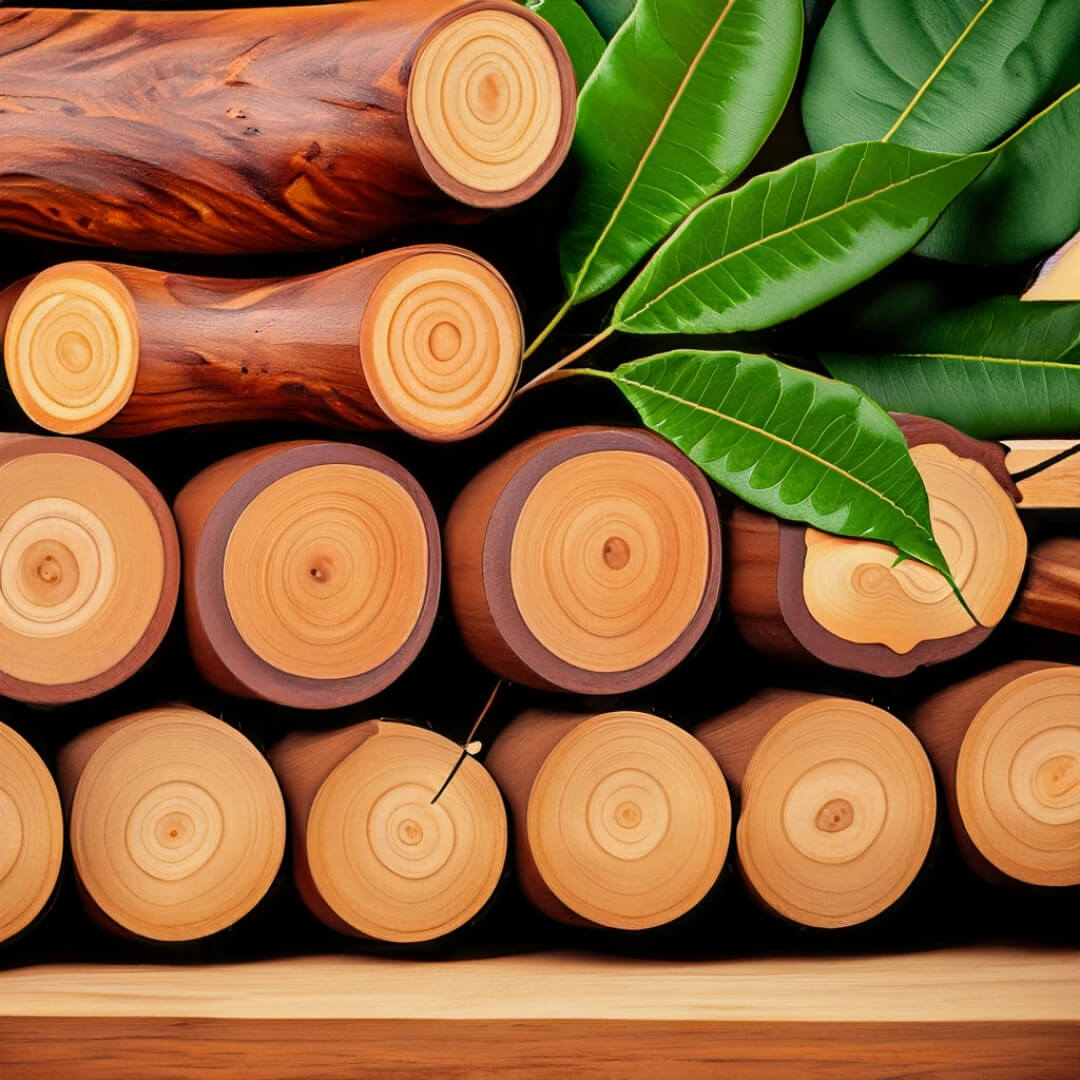
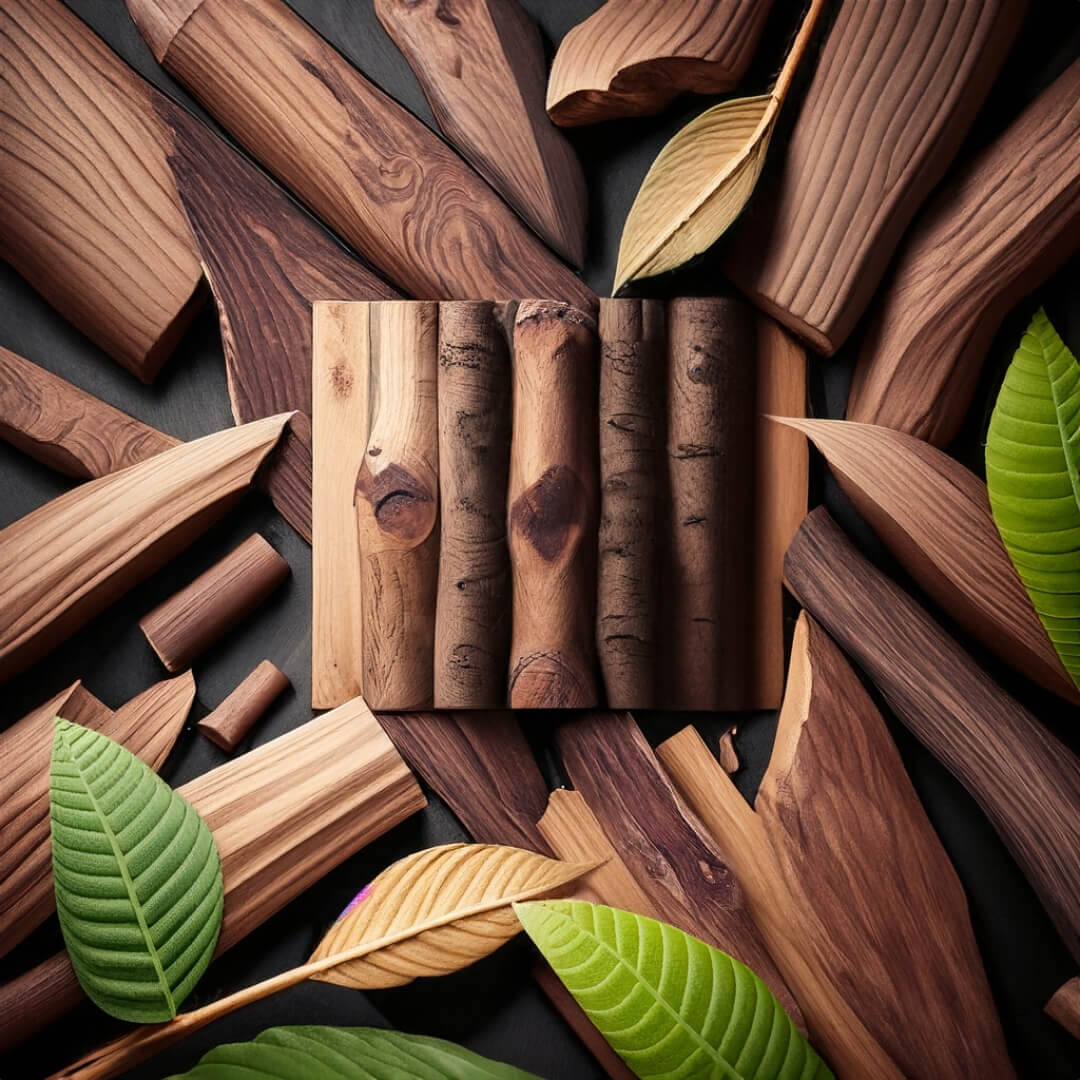
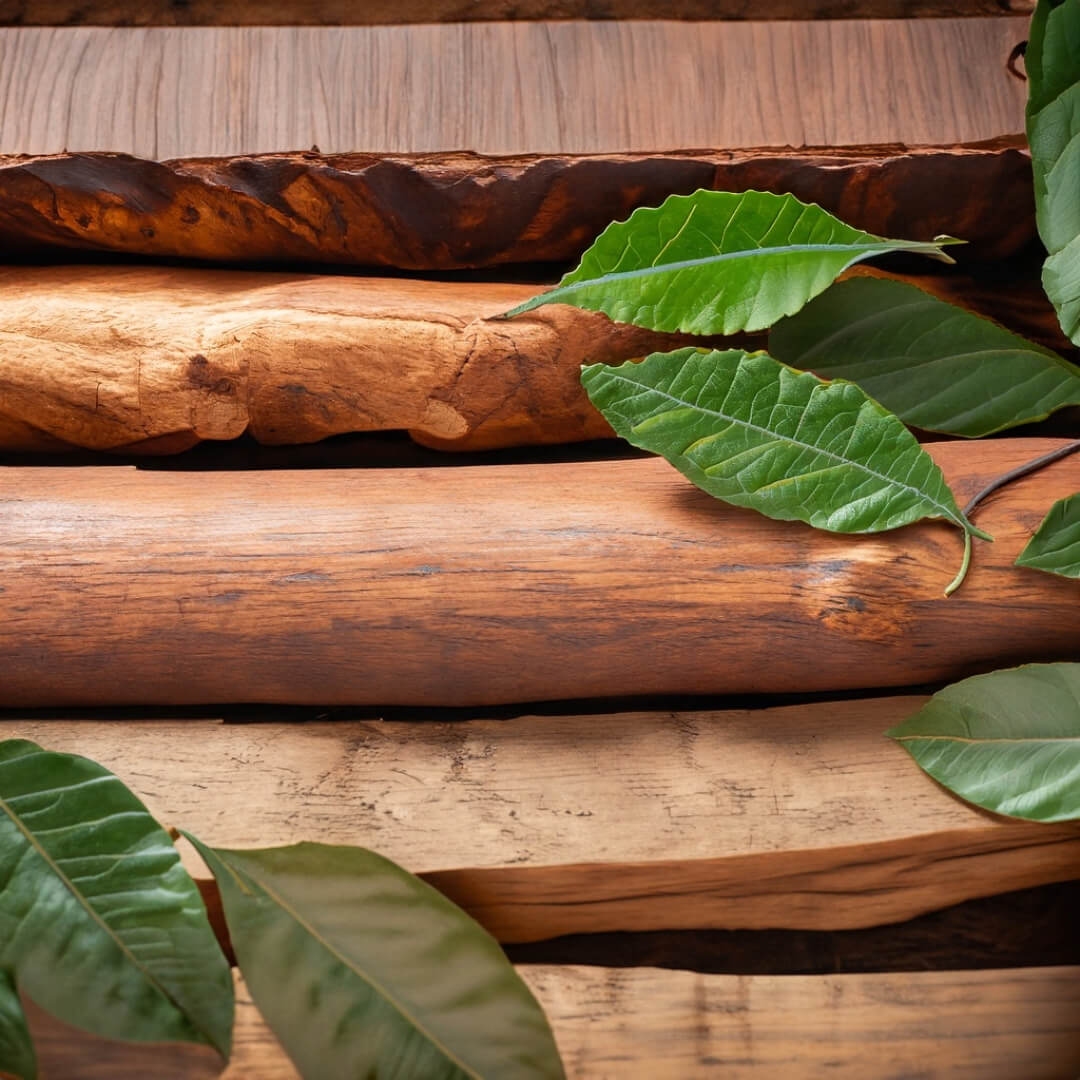
Mahogany wood has long been celebrated in the world of fine furniture and woodworking. Known for its exceptional durability, timeless beauty, and versatile applications, this premium hardwood remains a favorite among craftsmen and designers alike. In this guide, we’ll explore the origins of mahogany, its wood hardness, primary uses, and the key pros and cons of working with this classic material.
Origins of Mahogany Wood
Mahogany comes from several species within the Meliaceae family, native to tropical regions across the Americas, Africa, and Southeast Asia. Among these, American mahogany—particularly Swietenia macrophylla and Swietenia mahagoni—is considered the gold standard. This variety is commonly referred to as “genuine mahogany” due to its superior quality and prestige in the global timber market.
Interestingly, the term “mahogany” is believed to originate from a West Indian word meaning “tree that resists all insects.” This natural resilience, combined with its striking appearance, has cemented mahogany’s status as one of the most sought-after hardwoods for centuries.

Mahogany Wood Hardness
One of the defining characteristics of mahogany is its balanced hardness and stability. On the Janka hardness scale—a standard measure of wood’s resistance to dents and wear—genuine mahogany typically scores 800–900 lbf.
This level of hardness makes it:
-
Tough enough to withstand daily use in furniture and flooring.
-
Workable with tools, offering smooth cuts for both handcrafting and machine processing.
Mahogany strikes the perfect middle ground: it’s more durable than oak or maple while still easy to shape and finish for high-end woodworking projects.
Uses: Mahogany wood’s versatility is one of its standout features. It has been a favorite among woodworkers and craftsmen for centuries, thanks to its broad range of applications, including:
- Furniture: Mahogany is a preferred choice for crafting high-end furniture. Its fine grain, lustrous appearance, and ease of carving and shaping make it perfect for intricate designs.
- Cabinetry: The wood’s stability and resistance to warping make it an ideal material for crafting kitchen cabinets, wardrobes, and other cabinetry projects.
- Interior Trim: Mahogany’s elegant look and ease of finishing make it an excellent choice for interior trim, including moldings, baseboards, and wainscoting.
- Musical Instruments: Some of the world’s most cherished musical instruments, such as pianos, violins, and guitars, are made from mahogany due to its exceptional acoustic properties.
- Boat Building: Its natural resistance to water and decay makes mahogany a favorite for boat building, especially for parts exposed to the elements.
- Decorative Veneer: Thin mahogany veneer is often used to add a touch of luxury to various surfaces, including tabletops, doors, and panels.
Advantages:
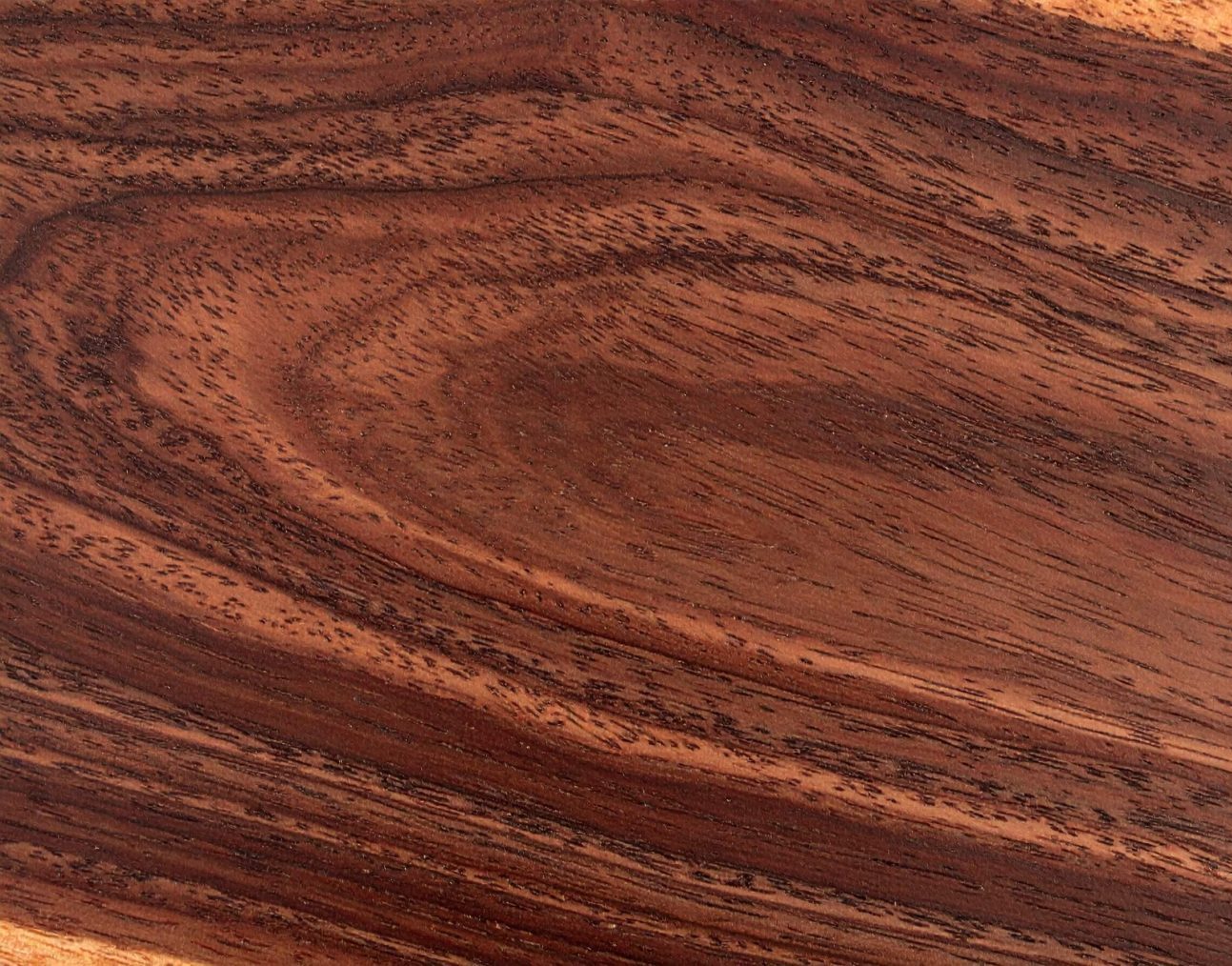
- Aesthetic Appeal: Mahogany’s reddish-brown hue, often featuring a beautiful grain pattern, exudes elegance and sophistication, making it a top choice for upscale furniture and interior design.
- Durability: It is highly resistant to decay, insects, and fungi, ensuring the longevity of any project made from mahogany.
- Ease of Workability: Despite its hardness, mahogany is relatively easy to machine, carve, and sand, making it a favorite for craftsmen.
- Stability: Mahogany maintains its shape and resists warping, a critical feature for furniture and woodworking projects.
Disadvantages:
- Cost: Genuine mahogany can be relatively expensive compared to other hardwoods, due to its limited availability and high demand.
- Sustainability Concerns: Overharvesting has led to concerns about the sustainability of mahogany. It is essential to source this wood responsibly from certified suppliers.
In conclusion, mahogany wood’s timeless beauty, durability, and versatility have earned it a prominent place in the world of woodworking and design. From elegant furniture to musical instruments and boat building, mahogany’s unique qualities continue to captivate craftsmen and enthusiasts alike. While it may come at a premium cost and demands responsible sourcing, the allure of mahogany remains undiminished, promising timeless creations that will be appreciated for generations to come.
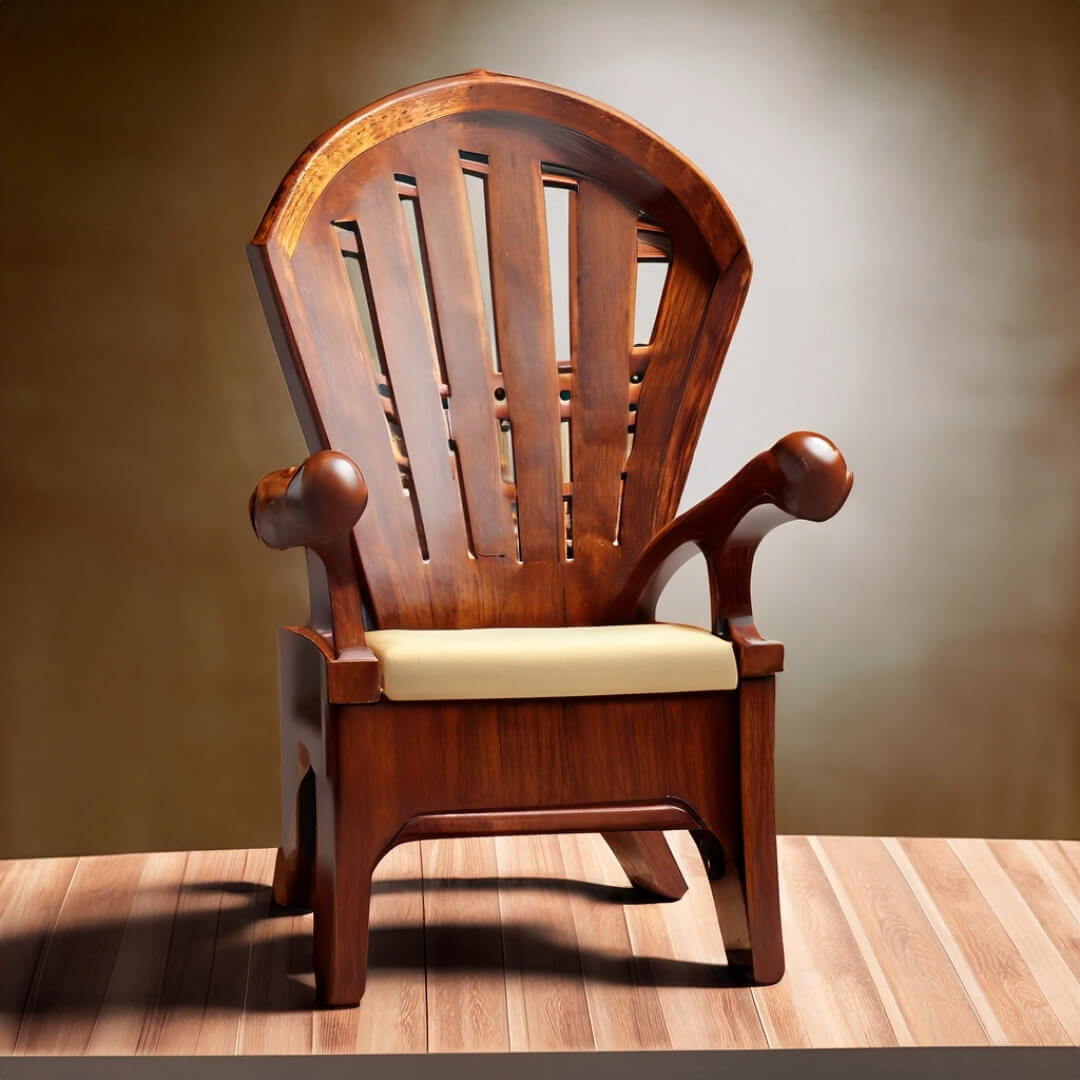
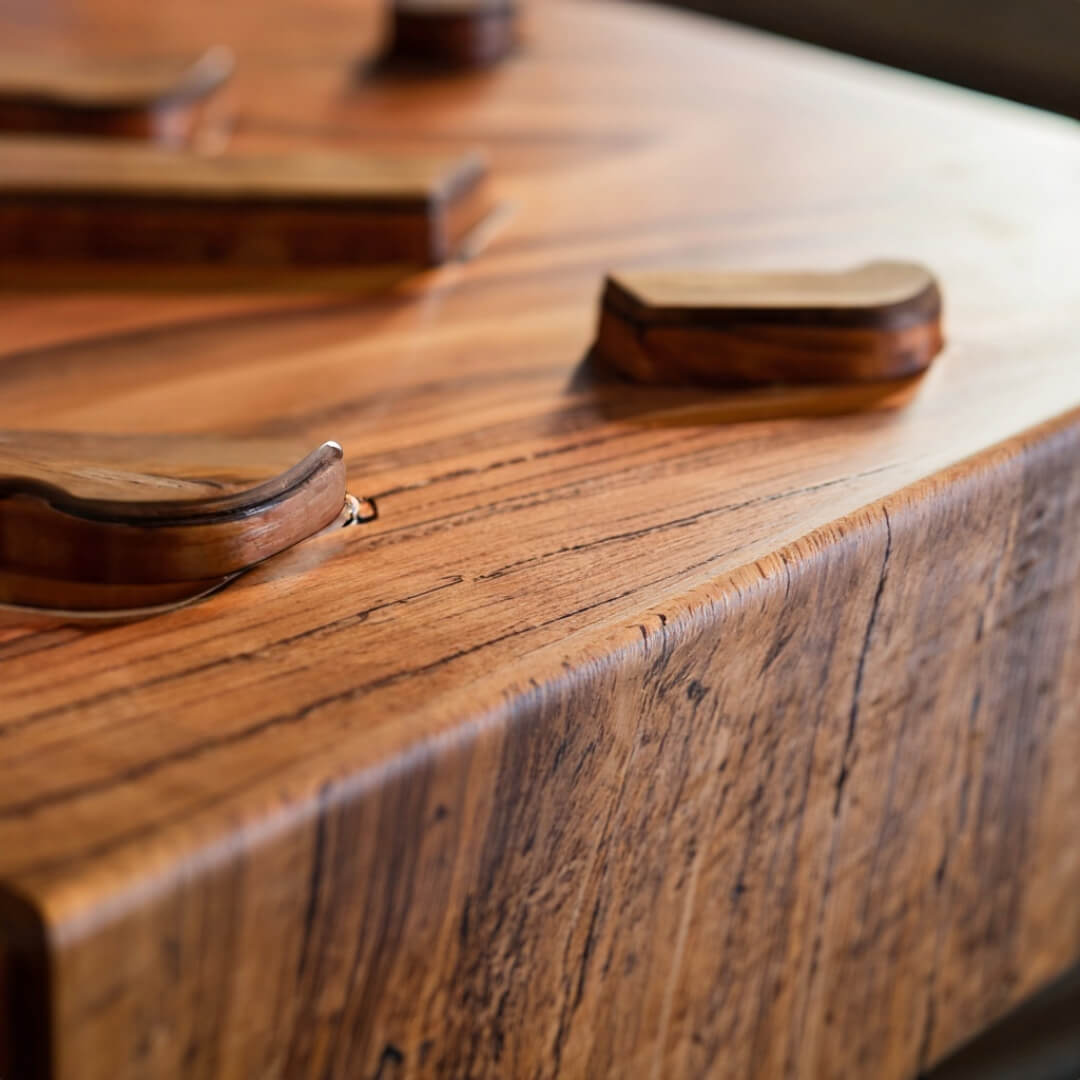
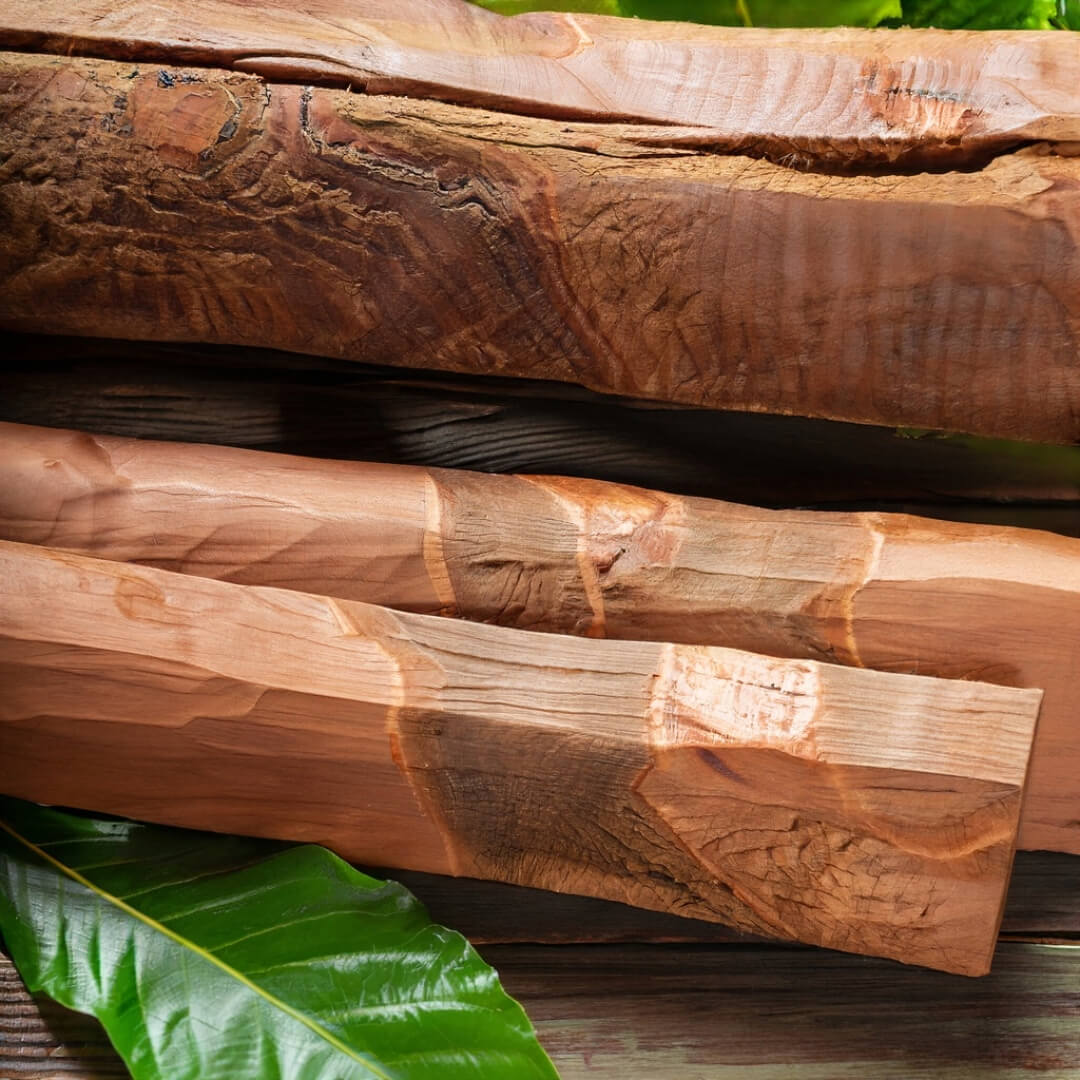
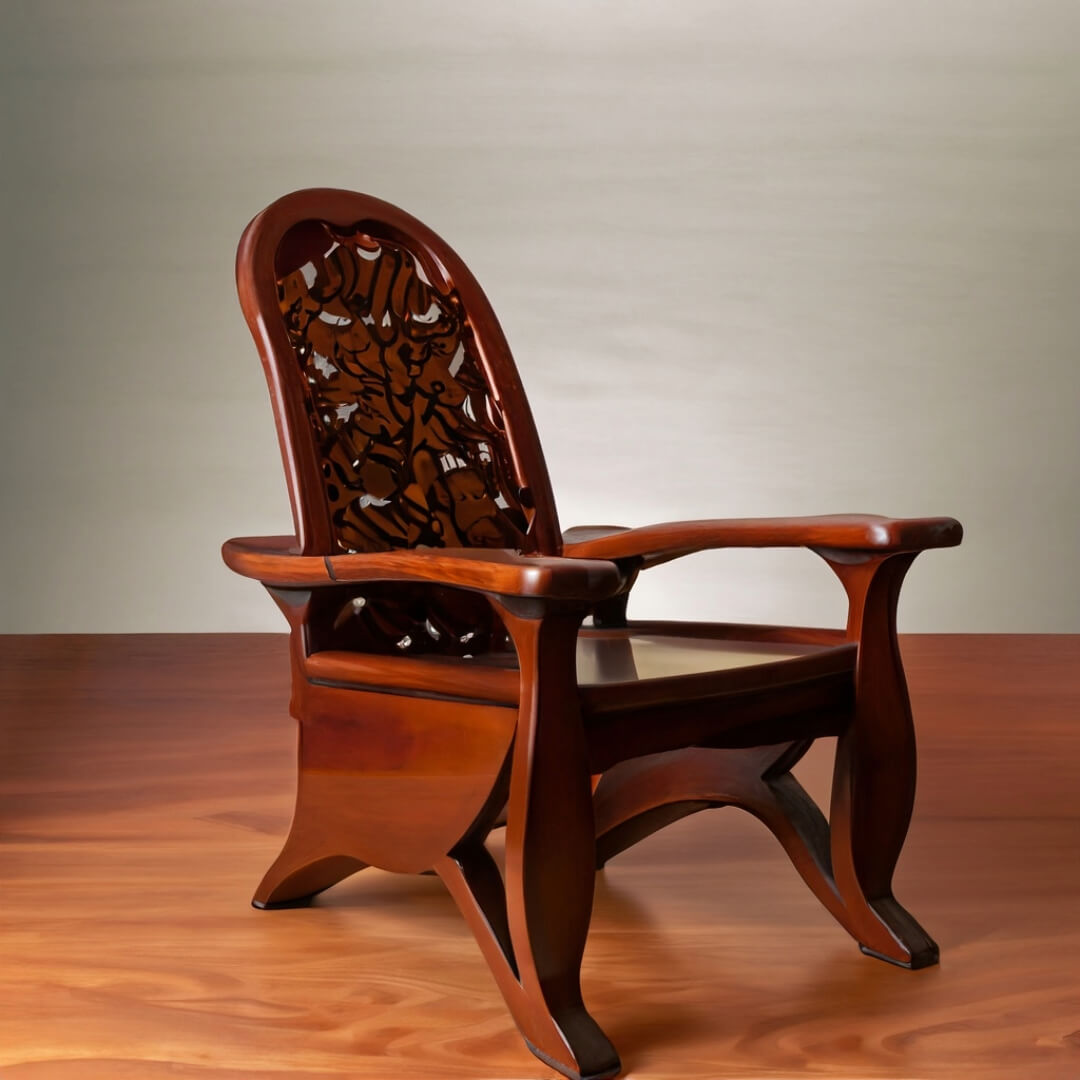
Mahogany wood is exceptionally well-suited for crafting durable chairs due to its inherent qualities. Its notable hardness, resistance to wear, and stability make it an ideal choice for the structural components of chairs, ensuring that they can withstand the rigors of everyday use. Moreover, mahogany’s resistance to decay, insects, and fungi ensures that chairs made from this wood will maintain their structural integrity and aesthetic appeal over time. The wood’s ease of workability also allows for intricate and comfortable chair designs, offering both functionality and beauty. Whether it’s a classic dining chair, an elegant armchair, or a sturdy outdoor seating option, mahogany’s durability and timeless elegance make it a top choice for crafting chairs that can endure for generations.
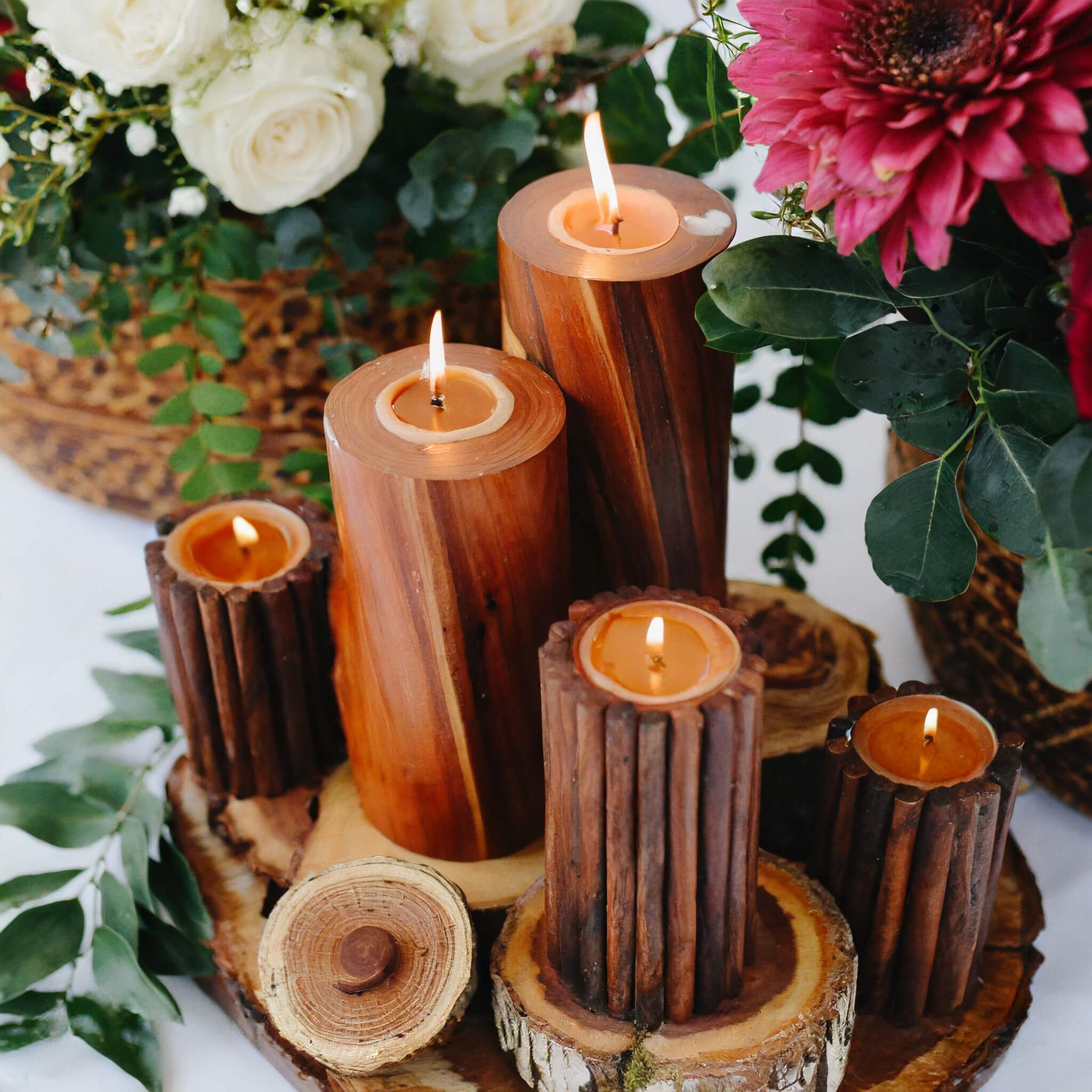
The crafting of Mahogany candles is a meticulous art that involves several steps to achieve their signature allure. Beginning with a blend of high-quality waxes, fragrance oils, and dyes, candlemakers expertly mix these elements to create the desired scent profile. For the Mahogany variant, specific notes of mahoganyand/or teakwood, and complementary scents are meticulously measured and combined, ensuring a balanced, rich aroma. The blended wax is then carefully poured into molds, where it solidifies to form the candle’s base. Precision in temperature control is crucial to achieve an even, smooth finish. Finally, after the cooling process, each candle undergoes thorough quality checks to ensure both its aesthetic appeal and its ability to emit the luxurious, inviting fragrance that characterizes Mahogany candles, resulting in a product that exudes sophistication and comfort in equal measure.